
Return to the Pantry
Pantry Project #4. Ready, Set, Bake!

Over the years, I’ve written some articles on keeping a well-stocked pantry. We’ve covered Proteins, Starches and Grains, and Fruits and Vegetables. Those of you who know me will understand why it has taken me so long to get to this last part… Ingredients for Baking.
I’ve always considered myself a cook rather than a baker. I enjoy baking bread… probably because bread is more a food than a dessert.
Growing up, great food was abundant in our family… desserts, not so much. My Mom was an amazing cook, but hardly ever made dessert. The only exception was “Aunt Lucy’s Cake, and the imaginative princess cakes she made for us on our birthdays. In her later years, I remember a particularly good Brandy Apple Pie.
We rarely had dessert after dinner in our house, just the occasional chocolate pudding or Jell-O. Fresh fruit was always available if anyone wanted it.
During the holidays, friends and Daddy’s patients would give us holiday sweets that would cover the dining room sideboard. From fruit cakes to cookies, and Pizzelle to Struffoli, they would all lie in wait, anticipating consumption, but a nibble or two was all that was ever taken.
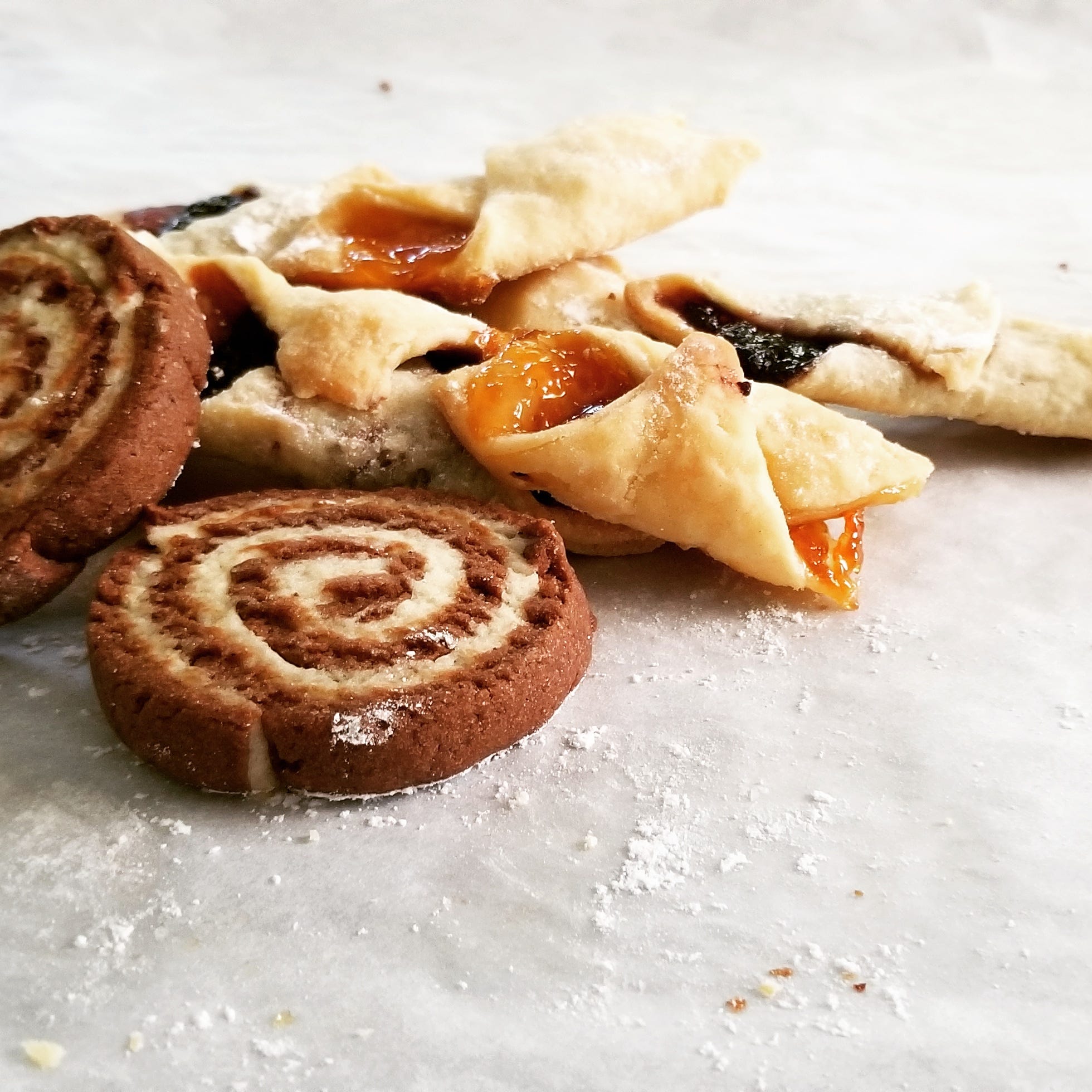
I just didn’t enjoy cakes and cookies growing up. The only exception was our friend Nancy’s cookies and chocolate cake.
Now that I’m in my senior years, I do have late-night cravings for something sweet, which are usually satisfied by a piece of good chocolate or a little coffee Ice cream.
All that said, I do keep baking ingredients stocked in my pantry, so here we go!
Flour is the first on the list. I buy all-purpose in 20-pound bags (some of that is used for making pasta!). I keep smaller quantities of self-rising, semolina, and high gluten or bread flour. White flours last about a year in an airtight container. Whole wheat flour lasts only about 6 months, and I tend to store it in the freezer or refrigerator. It is best to buy it in small amounts when you need it.
For experienced Italian bakers, there are several specialty flours, including 00 for pizzas and artisanal millers such as Molini del Ponte, based in Castelvetrano, Sicily. Here, Filippo Drago works closely with local farmers to save native grains from extinction through dedicated stone milling. I was fortunate to visit Filippo with Elaine Trigiani on one of our Sicily tours. His products are available at Gustiamo.com.
These days, gluten has become intolerable for many, so we now find several options, such as almond, oat, and rice flour, as well as some “measure for measure” gluten-free flours. America’s Test Kitchen has some good suggestions for those looking for gluten-free options.
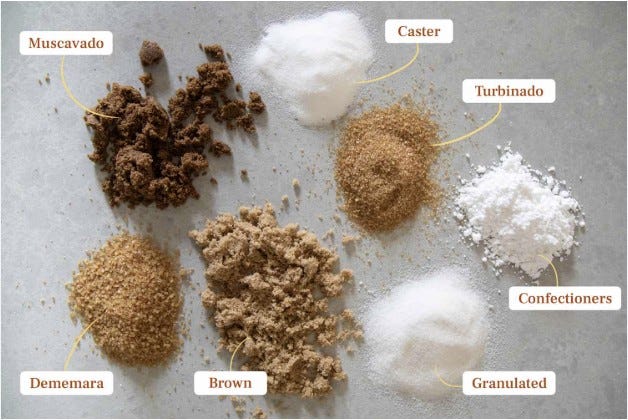
Sugar comes next on the list, again with many options to choose from. Since I’m not a baker, white granulated, brown, and confectioner’s sugar are the only ones I always keep on hand. Karo syrup, honey, and molasses have a long shelf life, so I don’t mind keeping a little on hand, should I be inspired to bake.
There are so many different types of sugar that bakers use, I’m afraid I will have to leave that discussion to the experts! For more than you might ever want to know about sugar, you can click here.
Since baking involves chemical processes, we need to talk about rising agents.
Dry active yeast is a must in my pantry since my desire for homemade bread can become unbearable at any time. Also, I never know when my family will beg for sfinci! Believe it or not, I once worked in a bakery, where we used fresh yeast. For the home cook, it can be difficult to find. For those serious bakers, it is available online and can be frozen for up to a year.
For cakes and cookies, we turn to baking soda and baking powder… and I turned to the internet for information!
The main difference is that baking soda is pure sodium bicarbonate that needs an acid to work, while baking powder already contains baking soda mixed with a dry acid. Both are used to make baked goods rise, but they act differently in recipes.
Baking soda makes cookies spread out, brown faster, and turn out chewy, while baking powder makes cookies puff up, stay thicker, and turn out soft or cakey. Using both together gives cookies a nice crispy edge with a soft and fluffy center.
So there you have it. I do bake occasionally, so these items have a place in my pantry. I just need to keep an eye on the expiration dates if my bakes are to be successful!
Then there is chocolate!! Aside from baking, I can’t imagine a household that doesn’t stock a good chocolate!!
Milk, dark, and semisweet chocolate are great for eating and baking. Bittersweet, unsweetened chocolate, and cocoa powder are vital ingredients for the countless chocolate dessert recipes out there. As with cooking, the best ingredients make the best dishes. As for chocolate, going for quality pays off. Calibaut is one of my favorites, but I’m just as happy with Ghirardelli, which is easier to find.
Dried fruits, especially raisins, and nuts are always handy for flavorful add-ins… and you can’t make an oatmeal cookie without oatmeal!! These also have a place in my pantry.
Our purpose here is achieving a well-stocked pantry, and as I’ve mentioned before, this can be highly personal, depending on your cooking or baking style. Stock the items you use often, and purchase small amounts of specialty items as needed.
When you decide the best items to stock for your personal pantry, keep a list to refer to when you shop.
I’d love to hear what items are a must for your pantry!
If you enjoyed this article, please hit the little heart button! It will help bring this to more readers!
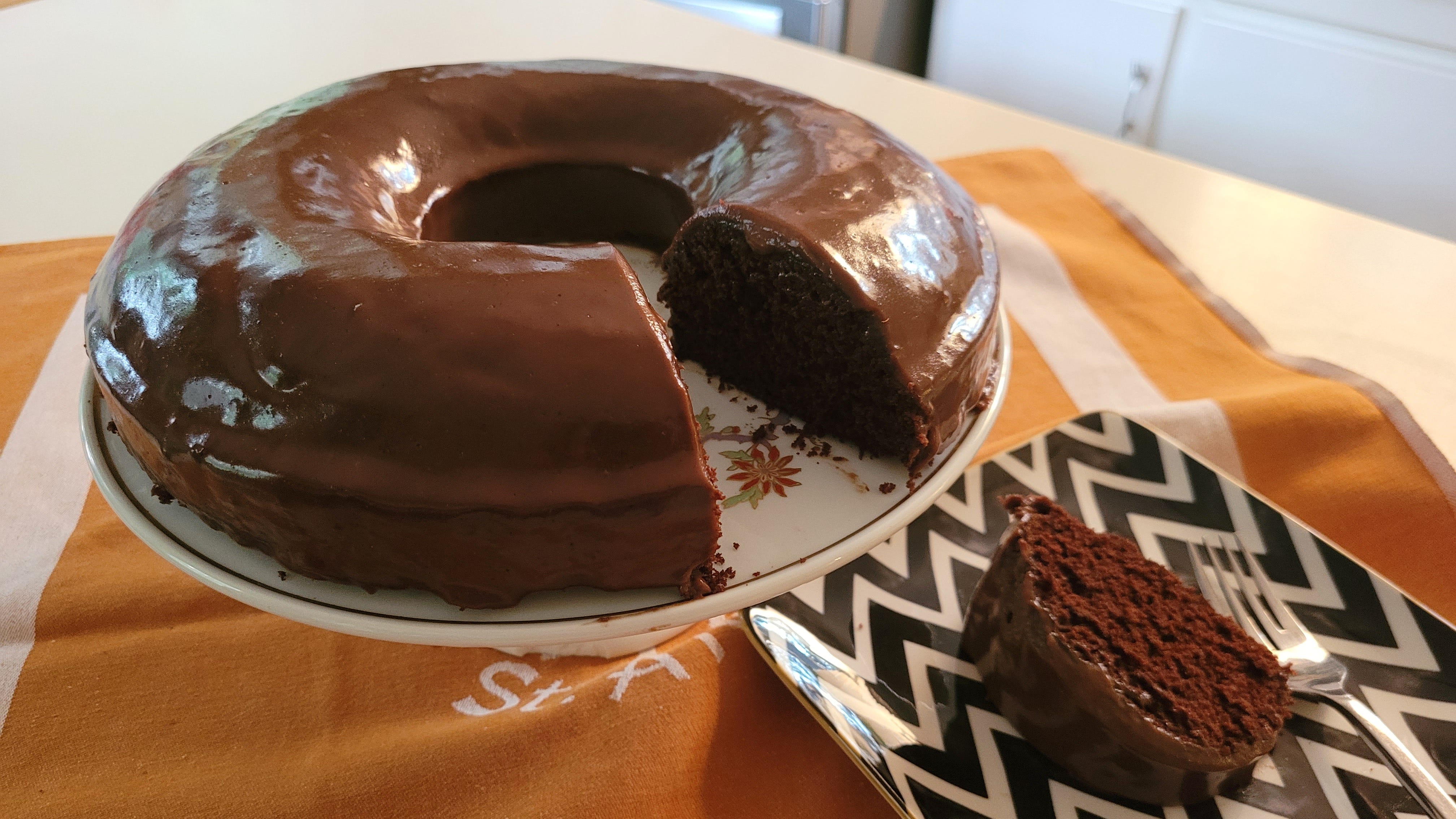
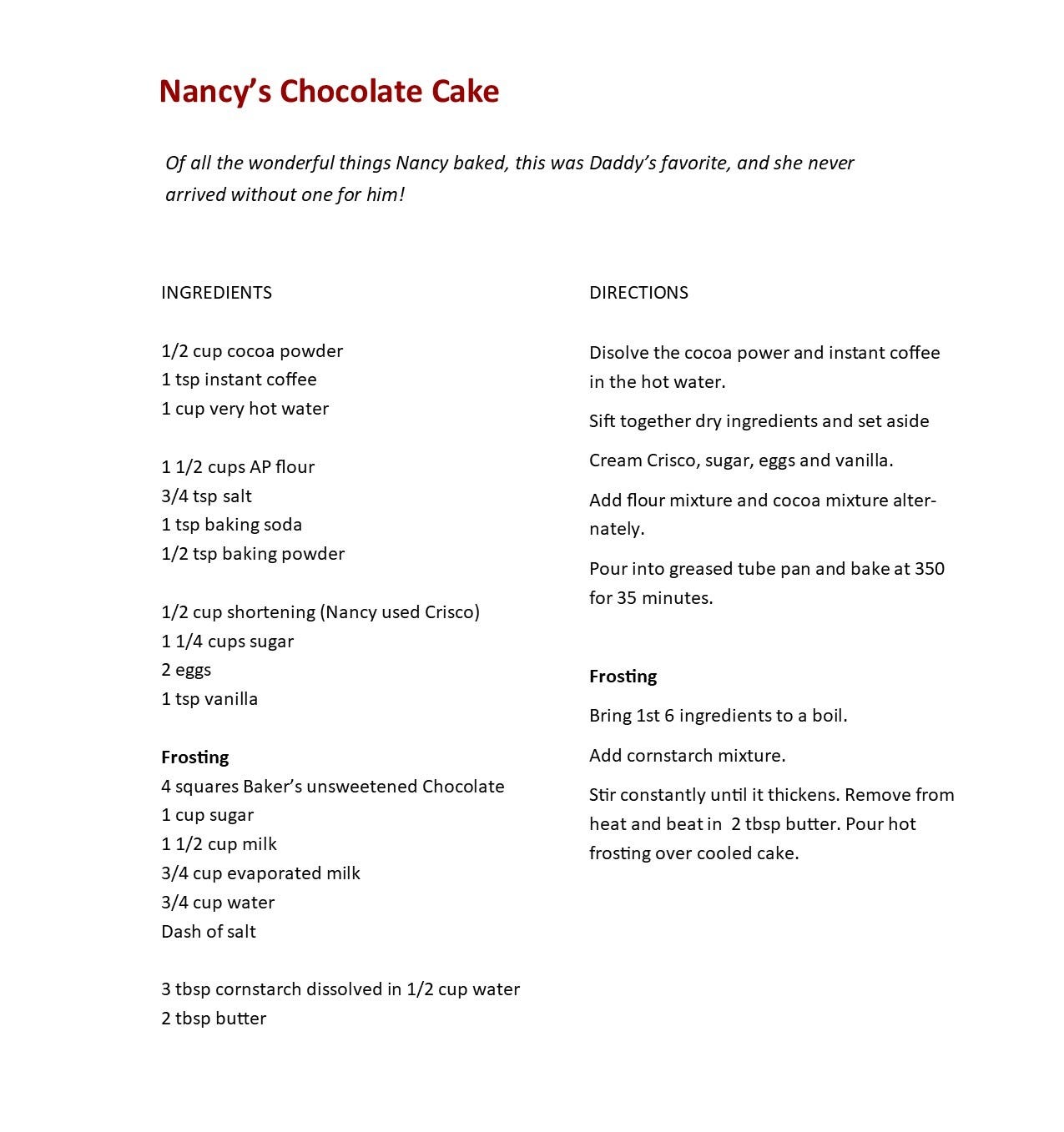
For you bakers out there, I’d like to share the recipe for Nancy’s Chocolate Cake. Believe me, it is worth every calorie!!
Oh! That chocolate cake. Mmmm. I am not a baker either, Celia. But am always reminded of our late, mutual friend and baking professional Rosemary Tomosky Franco. Now SHE was a baker!